



Lucid, Faraday Future, Byton, Rivian. One by one electric vehicle companies debuted over the last few years promising big innovation and a revolution to the mobility industry. Now, another one looks like it's biting the dust.
Byton recently announced that it is suspending operations for the next six months and letting go most of the staff that remained after they laid off about half of its 450 U.S.-based employees in April.
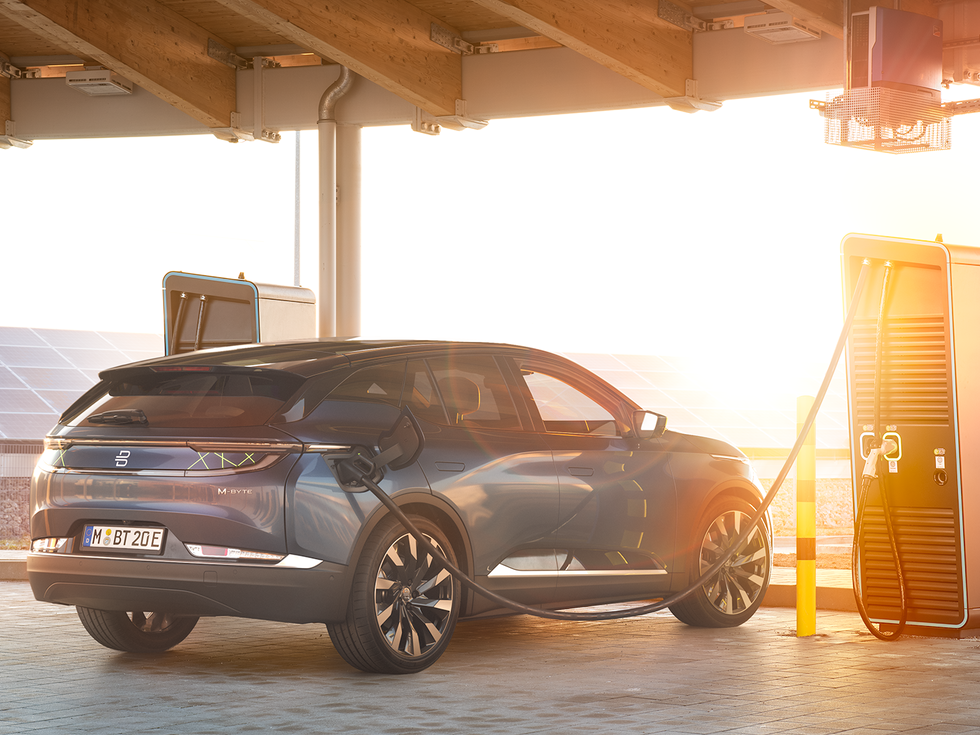 The electric vehicle market is getting increasingly competitive.Photo courtesy of Byton
Byton spokesman Dave Buchko told TheDetroitBureau.com, "The company is going to suspend operations on July 1 for six months ... the board of directors and top management are looking to find a way to move the company forward."
The company was founded in 2017 by a group of former Nissan and BMW executives. More than $800 million was eventually raised for the venture from three rounds of funding efforts, much of it coming from China. Byton recently completed their assembly plant and was given a license to produce vehicles by the Chinese government.
The company made its biggest industry waves when it debuted an all-electric vehicle at CES in 2019 that featured a 48-inch video display that ran from driver to passenger across the dashboard. In 2020, they showed off an electric utility vehicle at the same event.
Despite a diversified portfolio of investors from global markets, Byton looks to not have been able to sustain the company in the face of the COVID-19 pandemic.
 The company's 48-inch screen made waves when it was revealed.Photo courtesy of Byton
Byton was already facing an uphill battle in the marketplace. The industry's heaviest hitters are looking to infuse the global market, and especially the Chinese market, with a bevy of battery electric vehicles in the coming year.
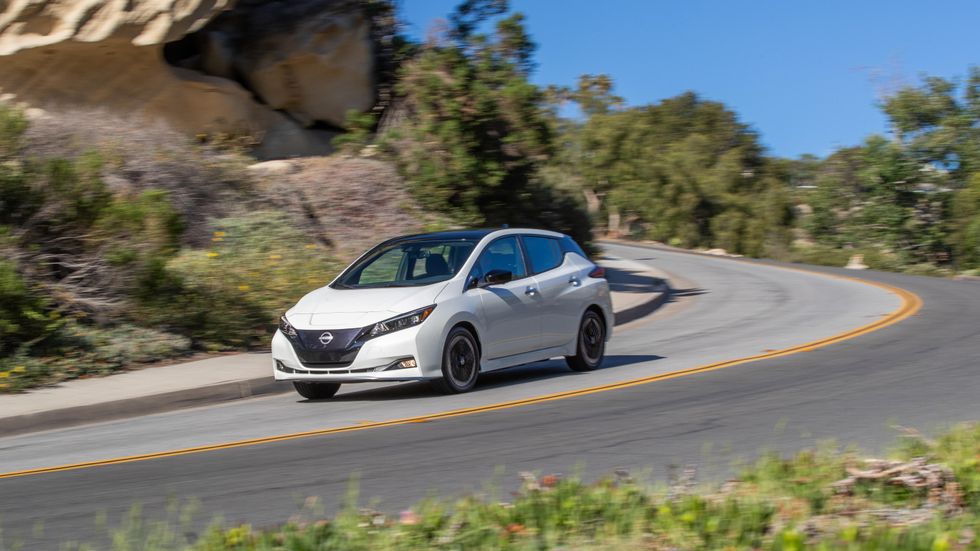 The Leaf feels lively, despite middling power numbers.Nissan
 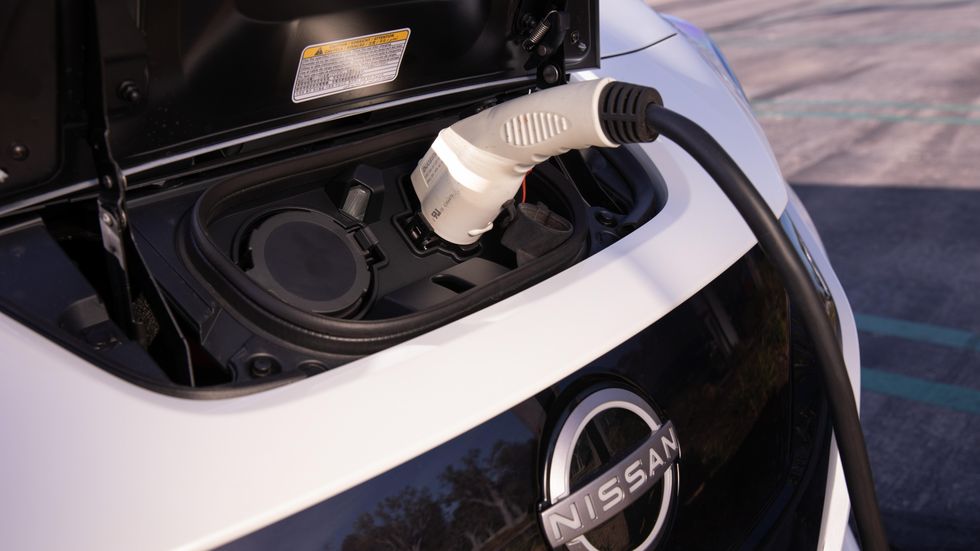 The Leaf SV Plus offers up to 212 miles of range.Nissan
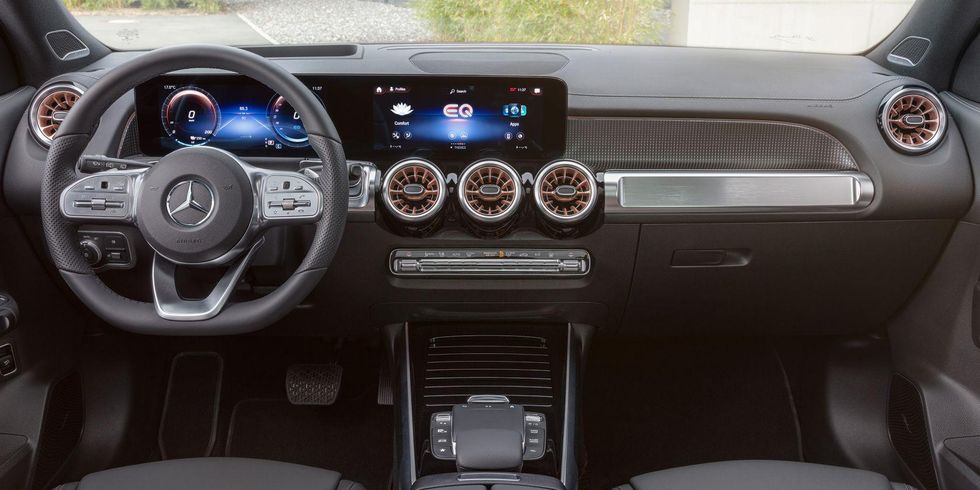 The EQB will come in two powertrain variants, each with two trims.Mercedes-Benz